Entry · Ref R1KFL3RT
Choosing a Quiet Assisted Living Home: What to Look For
- Posted
- 2026-10-07
- Last amended
- 2026-10-07
- Account
- @wqfvibnrpa
Why Quiet Matters in Assisted Living
When families start looking for an assisted living home, they often focus on location, cost, or the size of the rooms. But one factor that can make a huge difference in daily life is the atmosphere. A truly quiet assisted living home is not just about low noise levels. It is about a place where residents feel at ease, where the pace of life allows for rest and reflection, and where staff can give proper attention to each person. That kind of calm environment is hard to find, but it is worth searching for.
I have visited many assisted living homes over the years, both as a consultant and as a family member. The ones that stand out are not the largest or the most expensive. They are the communities that feel like a real home. In Venice, FL, where I have worked with several properties, the idea of a quiet assisted living home is especially valued. The climate and the relaxed culture of the area lend themselves to a slower, more peaceful way of living. But creating that atmosphere takes intentional design, thoughtful staffing, and a commitment to person-centered care.
The Difference Between Quiet and Boring
Some people worry that a quiet assisted living home will be dull. That is a misunderstanding. Quiet does not mean empty hallways or a lack of activities. It means the environment is not chaotic. There is a difference between a place that is alive with gentle conversation and one that is overwhelmed by loud announcements, blaring televisions, or constant commotion. In a calm setting, residents can actually hear each other speak. They can enjoy the gardens without the noise of traffic or maintenance equipment. They can rest when they need to, and that is essential for holistic wellness.
I remember one memory care unit I visited years ago. The staff had placed a television in the common area that ran all day. Residents sat in front of it, not because they were interested, but because it was the only stimulation available. The noise was exhausting. In contrast, a well-run quiet home uses sound intentionally. Music might play softly during meals. Staff speak in low, clear voices. There are designated quiet zones where residents can nap or read. That kind of design supports both dementia care and the needs of people who are simply older and more sensitive to overstimulation.
What Makes a Quiet Assisted Living Home Work
A quiet assisted living home relies on several factors working together. The first is the building itself. Small-scale residential designs tend to be quieter than large institutional buildings. Fewer residents mean less foot traffic, fewer alarms, and a more intimate feel. Private rooms also help, since they give residents a retreat from group activities. In the best homes, the layout separates active areas from quiet areas. The dining room might be near the kitchen, but the reading nook and the sitting room are placed away from high-traffic zones.
Staffing is equally important. In a calm environment, caregivers are trained to move and speak gently. They do not rush from room to room shouting instructions. Instead, they work at a steady pace, anticipating needs before they become emergencies. This is especially critical for medication management and daily living assistance, where a hurried approach can cause mistakes or anxiety. I have seen homes where the difference between a calm shift and a chaotic one came down to whether the staff had enough time to sit with residents during meals. When they did, the whole mood of the place shifted.
The Role of Outdoor Spaces
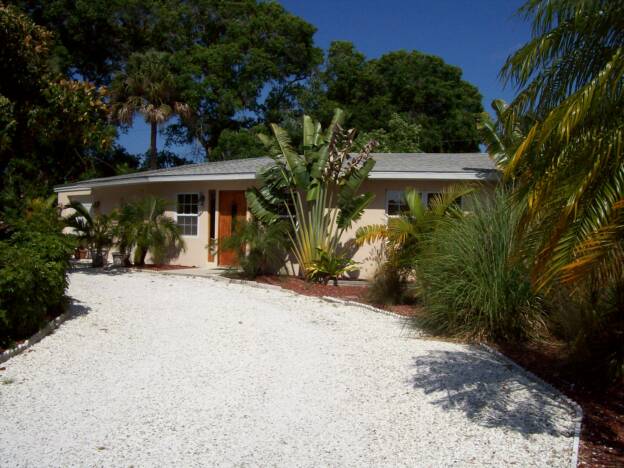
In Florida assisted living, outdoor access is a huge asset. Gardens, shaded patios, and walking paths give residents a place to breathe fresh air and enjoy the sunshine. But a quiet assisted living home takes this further. The gardens are designed for serenity. There are benches tucked away from the main path. There are bird feeders and water features that add gentle sound, not noise. I have seen families sit with their loved ones in these gardens for hours, talking or just being together. That kind of family visitation is easier when the setting feels private and peaceful.
One home I worked with in Venice, FL had a small vegetable garden that residents tended themselves. It was not about the vegetables. It was about the rhythm of planting, watering, and weeding. That activity gave residents a sense of purpose without overwhelming them. It also created natural opportunities for social engagement. People would stop by to see how the tomatoes were growing. They would chat while sitting on the low wall. That is the kind of calm, meaningful interaction that a quiet home fosters.
Memory Care and Respite Stays
Memory care is a specialized form of assisted living for people with Alzheimer’s disease or other forms of dementia. In these units, a quiet environment is not just a preference; it is a therapeutic tool. The Alzheimer’s Association has long recommended reducing stimulation for people with dementia. Loud noises, confusing layouts, and constant activity can trigger agitation and wandering. A well-designed memory care unit uses muted colors, soft lighting, and consistent routines. Staff are trained in dementia care techniques that emphasize patience and redirection rather than confrontation.
Respite stays are another area where quiet matters. Families often use respite care when they need a short break from caregiving. The last thing they want is to drop their loved one into a noisy, unfamiliar place. A quiet assisted living home that offers respite stays can make that transition much smoother. The resident gets a calm, safe environment for a few days or weeks. The family gets peace of mind. I have seen families become regular visitors to a home simply because their first respite stay went well.
Individualized Support in a Quiet Setting
The best quiet homes do not treat everyone the same. They offer individualized support based on each resident’s needs and preferences. This is where person-centered care comes in. It means that the staff knows each resident’s name, their history, their likes and dislikes. It means that daily living assistance is provided in a way that respects the resident’s dignity. For example, one resident might prefer to shower in the evening, while another likes a morning routine. A good home accommodates those differences.
Nutritional meals are also part of the picture. In a quiet assisted living home, mealtimes are calm events. Residents sit at small tables. Staff help those who need it. The food is prepared with attention to dietary needs, but also to taste and presentation. I have seen homes where the dining room feels like a restaurant, with cloth napkins and fresh flowers. That attention to detail signals that the home values the residents’ experience, not just their safety.
What to Look for When You Visit
If you are searching for a quiet assisted living home for a loved one, here are a few things to pay attention to during a visit:
- Listen carefully. Is the background noise level comfortable? Can you hear yourself think? Are staff members speaking in calm tones?
- Notice the residents. Do they look relaxed or agitated? Are they engaged in activities or just sitting in front of a television?
- Ask about staff-to-resident ratios. Homes with higher ratios can provide more individualized support and maintain a calmer atmosphere.
- Check the outdoor spaces. Are they well-maintained and accessible? Do they offer shaded seating and quiet corners?
- Talk to the director about their philosophy on person-centered care and how they handle behaviors that might disrupt the calm.
These observations will tell you more than any brochure or website. A home that is truly committed to a calm environment will show it in every detail. You will feel it the moment you walk through the door.
The Value of 24-Hour Supervision and Licensed Nursing
A quiet assisted living home must also be safe. That means having 24-hour supervision and access to licensed nursing staff. In a calm setting, safety measures are built into the environment, not tacked on as an afterthought. Call buttons are within reach. Hallways are free of clutter. Staff check on residents regularly, but they do so quietly. I have seen homes where night staff use flashlights with red lenses to avoid waking residents during rounds. That is the level of thoughtfulness that defines a truly quiet home.
Florida assisted living regulations require certain standards for staffing and safety. But the best homes go beyond the minimum. They invest in training that helps staff understand the connection between environment and well-being. They design their schedules to allow for unhurried care. They recognize that a quiet home is not a luxury; it is a foundation for quality of life.
Final Thoughts
Finding the right assisted living home is a deeply personal decision. Every family has different priorities. But if you value peace, dignity, and genuine connection, a quiet assisted living home is worth seeking out. It is not about silence. It is about creating a space where residents can live fully, at their own pace, with the support they need. In a world that often feels too loud and too fast, that kind of home is a gift.